:: SUB-ARCHIVE ::
Government Cover-Ups: The Documents, Leaks, and Silences Behind Power
From buried reports to “lost” archives, from redactions to staged narratives. We track confirmed concealments, declassified traces, whistleblower claims, and the evidence standards that separate hard cover-ups from convenient myths.
Scope of Inquiry
STATUS: Active
What This Sub-Archive Tracks
This sub-archive tracks government cover-ups as systems: the methods used to delay, distort, bury, or compartmentalize information once it becomes politically dangerous. We follow the evidence trail—declassified records, inspector reports, court filings, FOIA releases, and credible leaks—while marking where the record breaks. The goal is not endless suspicion. It’s to map what can be documented, how concealment works in practice, and which narratives survive because the paper trail was cut on purpose.
Classification Categories
Redactions & Withholding
What’s removed, delayed, or classified—and the rationale used to keep it sealed.
Narrative Control
Press shaping, official timelines, scapegoats, and the “single acceptable story.”
Whistleblowers & Leaks
Claims tested against documents, corroboration, and the cost of speaking publicly.
Reading Protocol
How to Read a Cover-Up Claim
- Identify the “break point”: what specific fact is being hidden, and who controls access to it.
- Follow the paper trail: redactions, missing annexes, destroyed records, and shifting official language.
- Demand corroboration: one source can spark suspicion; multiple independent anchors build a case.
Most cover-ups don’t erase reality. They delay it—until the public stops looking.
Case Files
STATUS: Active
Iran Contra Affair: What the Records Show—and Where They Stop
What can the surviving Iran–Contra record still certify in published archives, and where does that certification stop without key primary pillars? This…
Snowden NSA Surveillance: The Limits of the Official Record
What can the surviving public record certify about NSA surveillance authorities, and where does certification stop without the authorizing court texts? This…
COINTELPRO: What the Official Records Show—and Where They Stop
False Flag Operations: What the Records Show—and Where They Stop
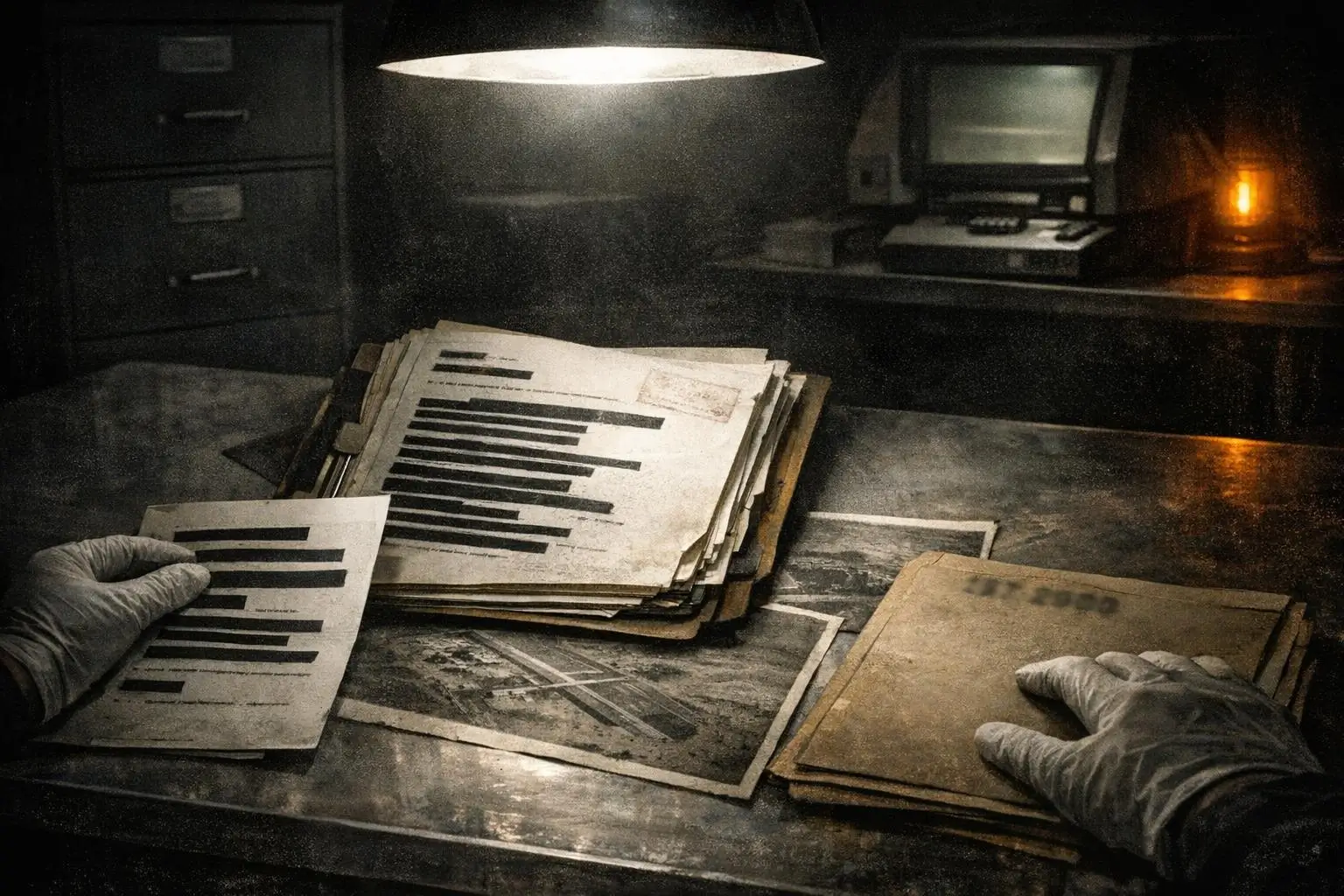
Area 51 Documents: What the Records Show—and Where They Stop
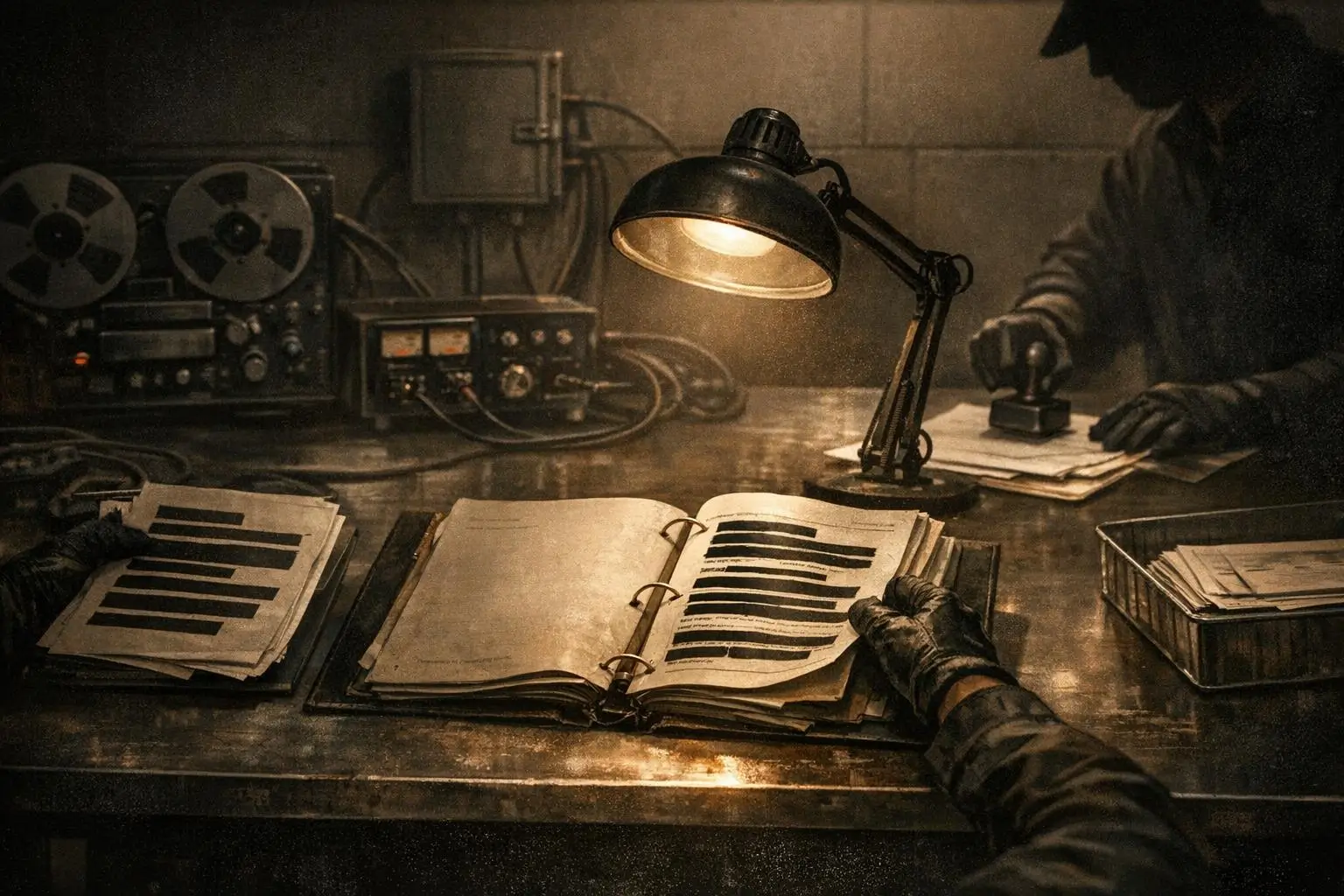
Operation Mockingbird: What the Records Show—and Where They Stop
A Living Archive
This project is never complete. History is a fluid signal, often distorted by those who record it. We are constantly updating these files as new information is declassified or discovered.