:: SUB-ARCHIVE ::
Cryptids: The Creatures That Refuse to Stay Classified as Myth
Footprints with no owner, eyewitness clusters, bodies that vanish before inspection. We track the credible edge—reports, ecology, misidentifications, and the cases that keep returning because the data won’t fully resolve.
Scope of Inquiry
STATUS: Active
What This Sub-Archive Tracks
This sub-archive tracks cryptid cases as evidence problems, not campfire stories. We catalog recurring report clusters, track and footprint claims, disputed photos and recordings, and the ecological arguments for and against survival. Many cases collapse into misidentification, hoax, or folklore drift. The ones that remain are the interesting edge: patterns that repeat across decades, regions, and witnesses—without ever producing the one thing that would end the debate.
Classification Categories
Witness Clusters
Multiple reports in the same region and timeframe—useful for pattern analysis, not proof by volume.
Physical Traces
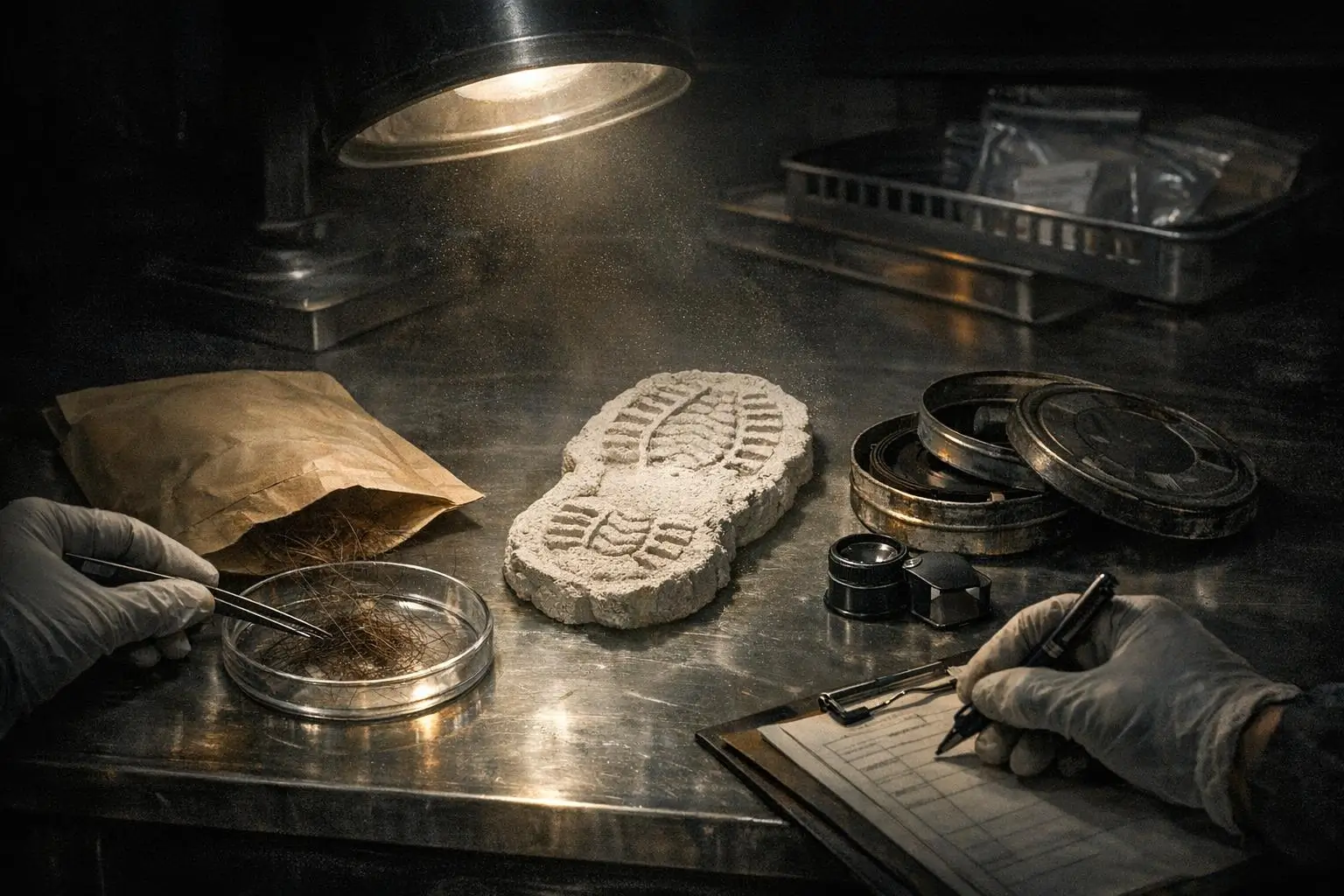
Tracks, hair, scat, nests, scratches—evidence that must survive chain-of-custody to matter.
Mis-ID / Hoax Patterns
Known animals, staged signs, media waves—how “creatures” get manufactured by attention and error.
Reading Protocol
How to Read a Cryptid Case
- Start with mundane explanations: local fauna, distance errors, lighting, and expectation bias—then see what survives.
- Treat media waves as contamination: spikes in reports often follow headlines, not biology.
- Demand chain-of-custody for traces: if evidence can’t be tested independently, it’s a story—useful, but not decisive.
A cryptid is what you call an animal before the evidence becomes biological—and after the story becomes cultural.
Case Files
STATUS: Active
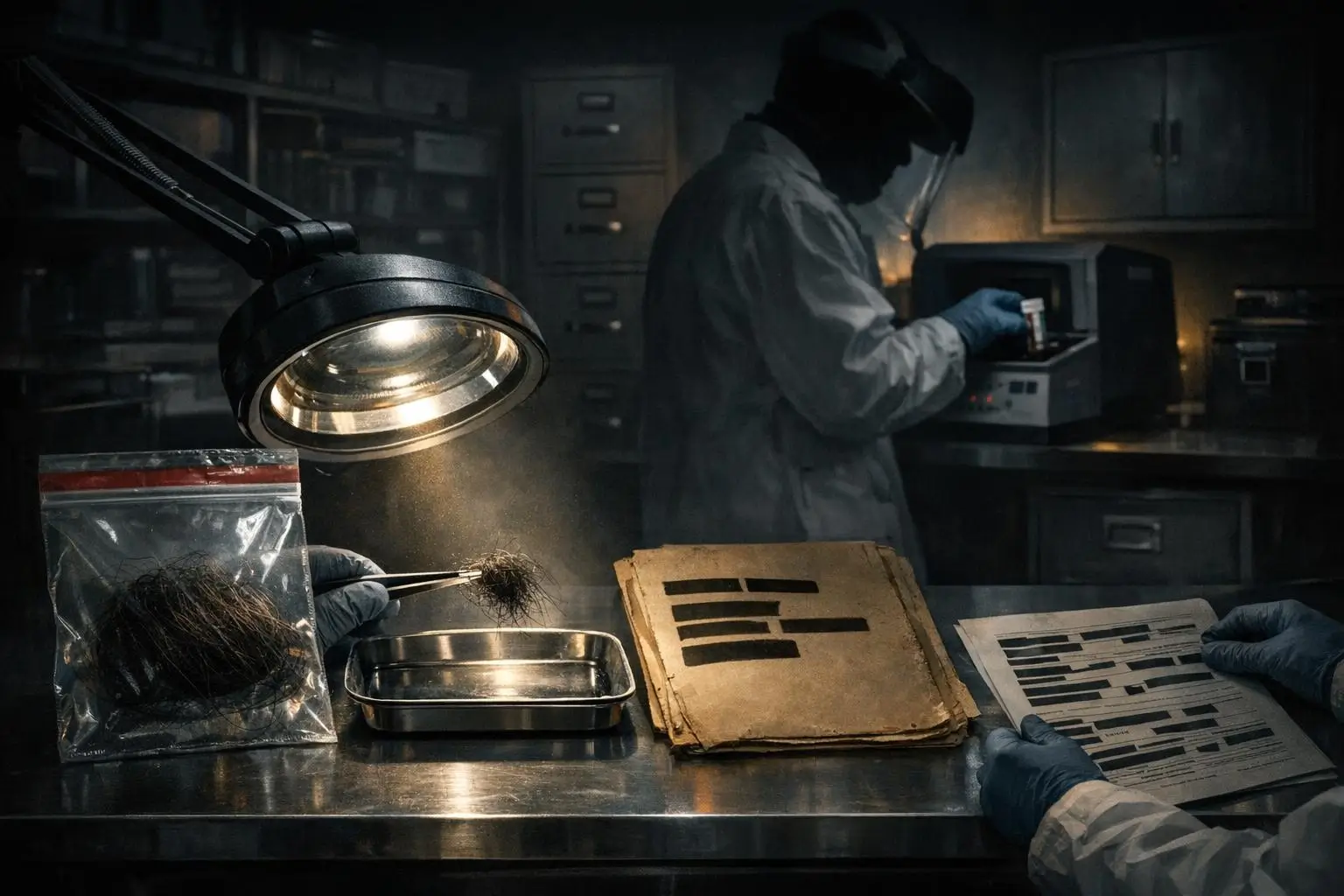
Yeti Evidence: What the Records Show—and Where They Stop
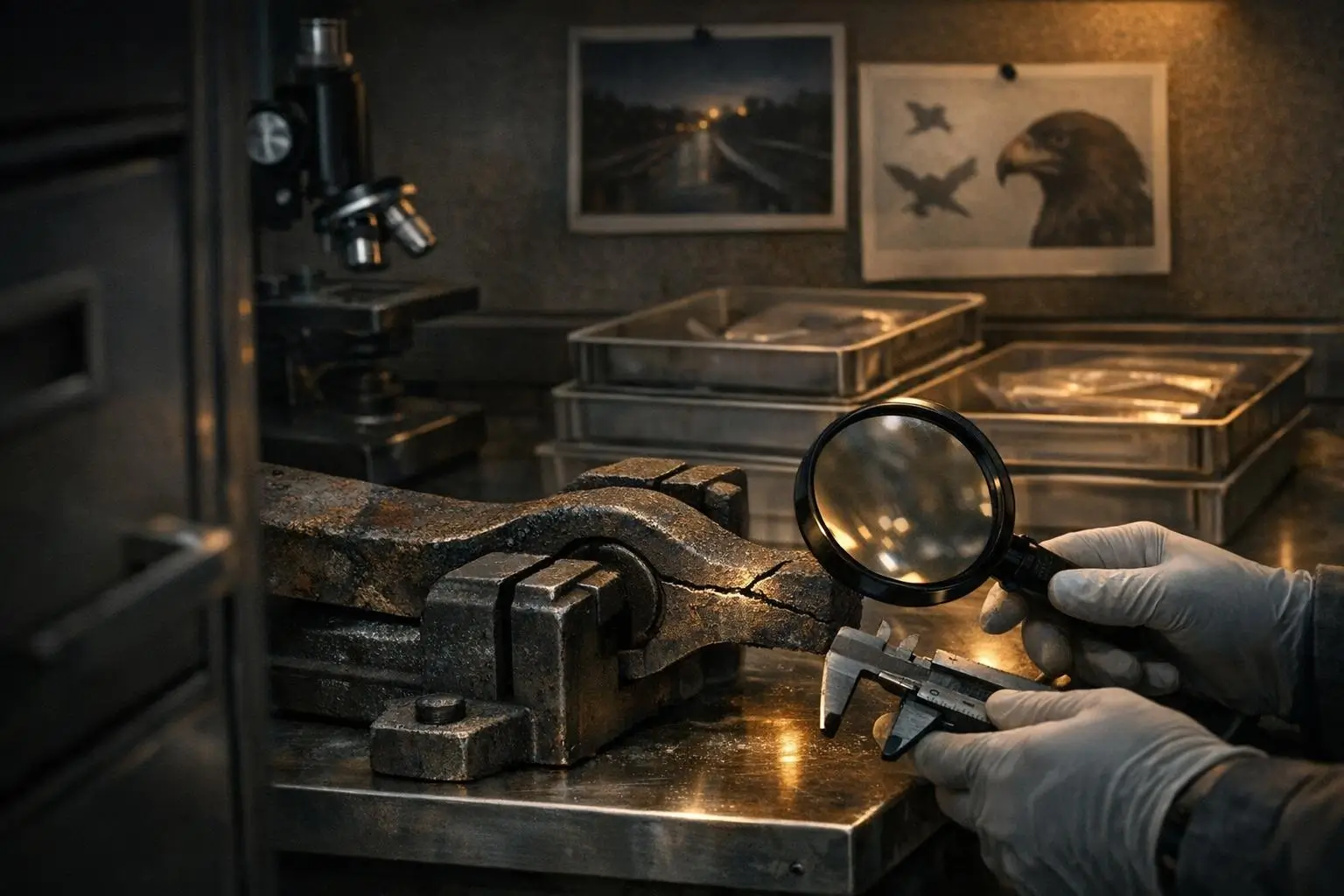
Mothman Sightings: From Folklore to the Fracture of Eyebar 330
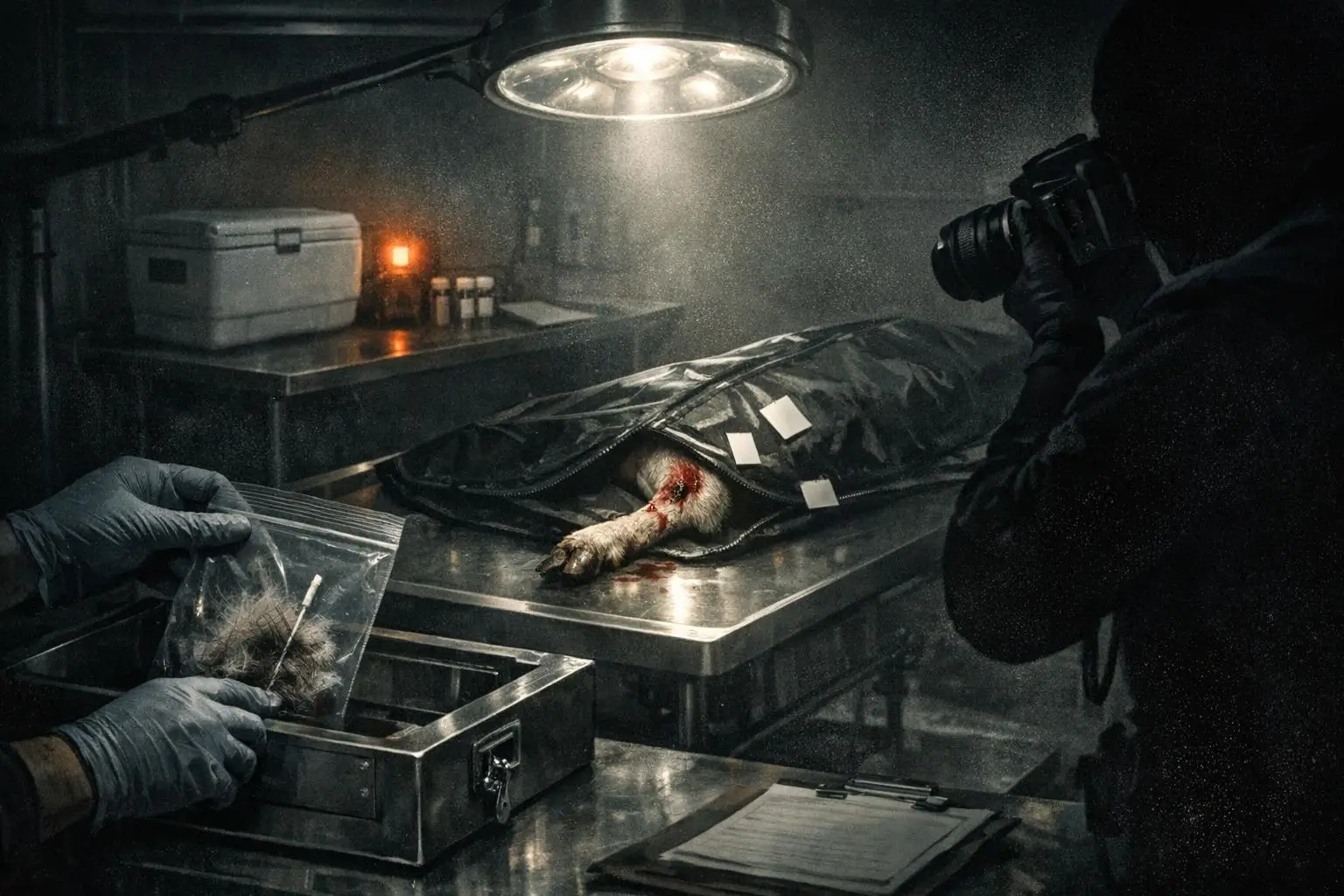
Chupacabra Encounters: What the Records Show—and Where They Stop
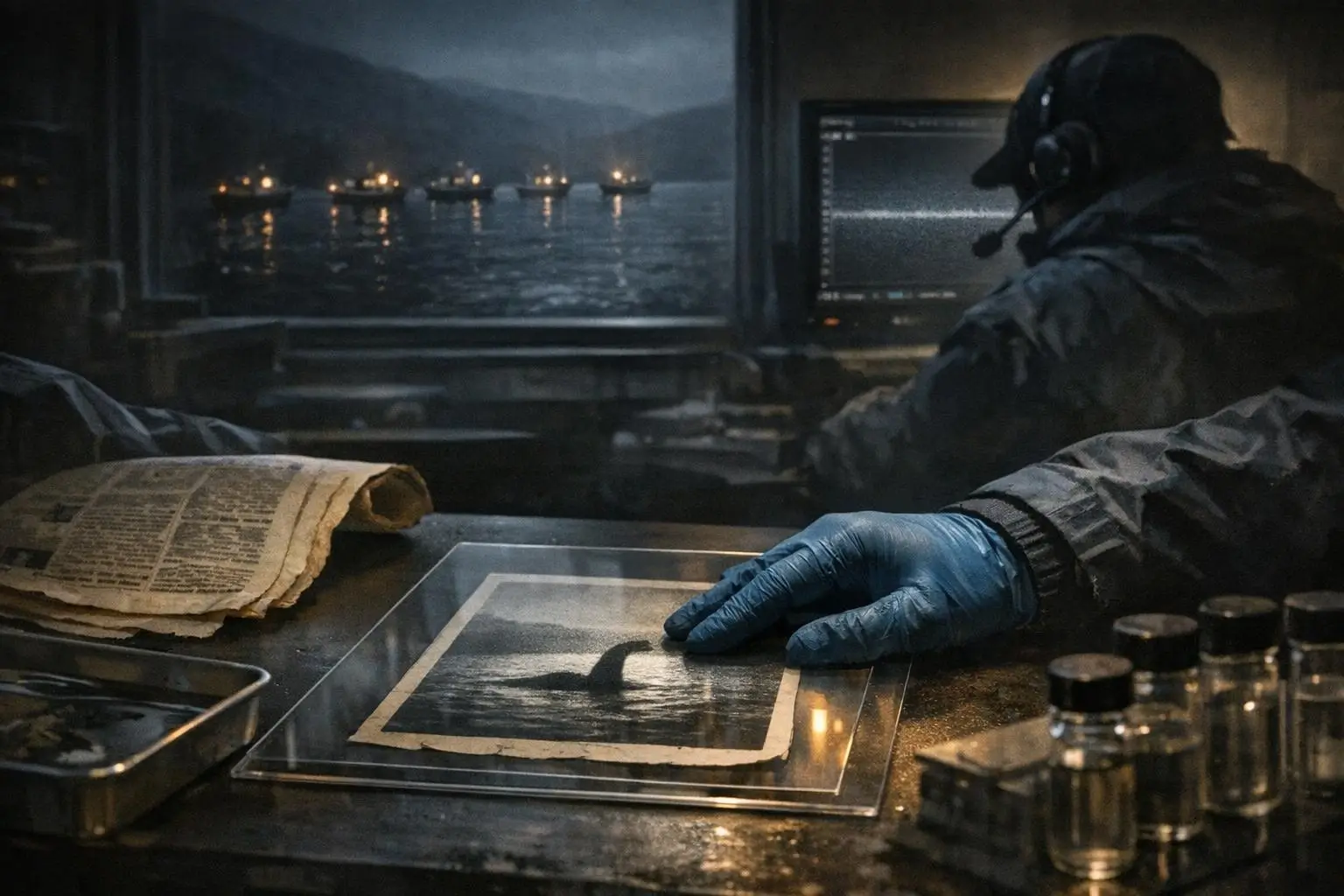
Loch Ness Monster: What the Records Show—and Where They Stop
Bigfoot Sightings: What the Records Show—and Where They Stop

A Living Archive
This project is never complete. History is a fluid signal, often distorted by those who record it. We are constantly updating these files as new information is declassified or discovered.