:: SUB-ARCHIVE ::
Historical Cover-Ups: The Evidence That Was Meant to Disappear
Destroyed memos, sealed hearings, doctored timelines. We track what can be documented—suppressed reports, vanished witnesses, redacted files—and the machinery that turns public events into controlled memory.
Scope of Inquiry
STATUS: Active
What This Sub-Archive Tracks
This sub-archive documents how reality gets managed after the fact. Not rumors—mechanisms. We track sealed inquiries, redacted memos, destroyed notes, reshaped timelines, and the quiet administrative moves that turn an open event into a closed record. The pattern repeats: evidence is delayed, witnesses are isolated, language is softened, and official memory becomes a curated artifact. Here, a “cover-up” isn’t a villain monologue. It’s a workflow.
Classification Categories
Sealed Inquiries
Hearings, commissions, and investigations that exist—yet keep their most relevant material out of reach.
Redaction Maps
What gets blacked out—and where. Patterns in omissions often reveal what the page refuses to say.
Vanished Evidence
Destroyed notes, missing tapes, “lost” files, chain-of-custody breaks—the record’s most convenient gaps.
Reading Protocol
How to Read a Cover-Up
- Identify the first “official story” timestamp—then watch how it changes over days, weeks, and reports.
- Follow the bottleneck: who controlled access to evidence, classification, legal privilege, or media briefings.
- Treat omissions as data: missing attachments, absent names, redacted dates—compare versions to map intent.
The easiest lie isn’t fabrication. It’s delay. Give the record enough time to cool, and the public forgets what questions sounded like while the evidence was still warm.
Case Files
STATUS: Active
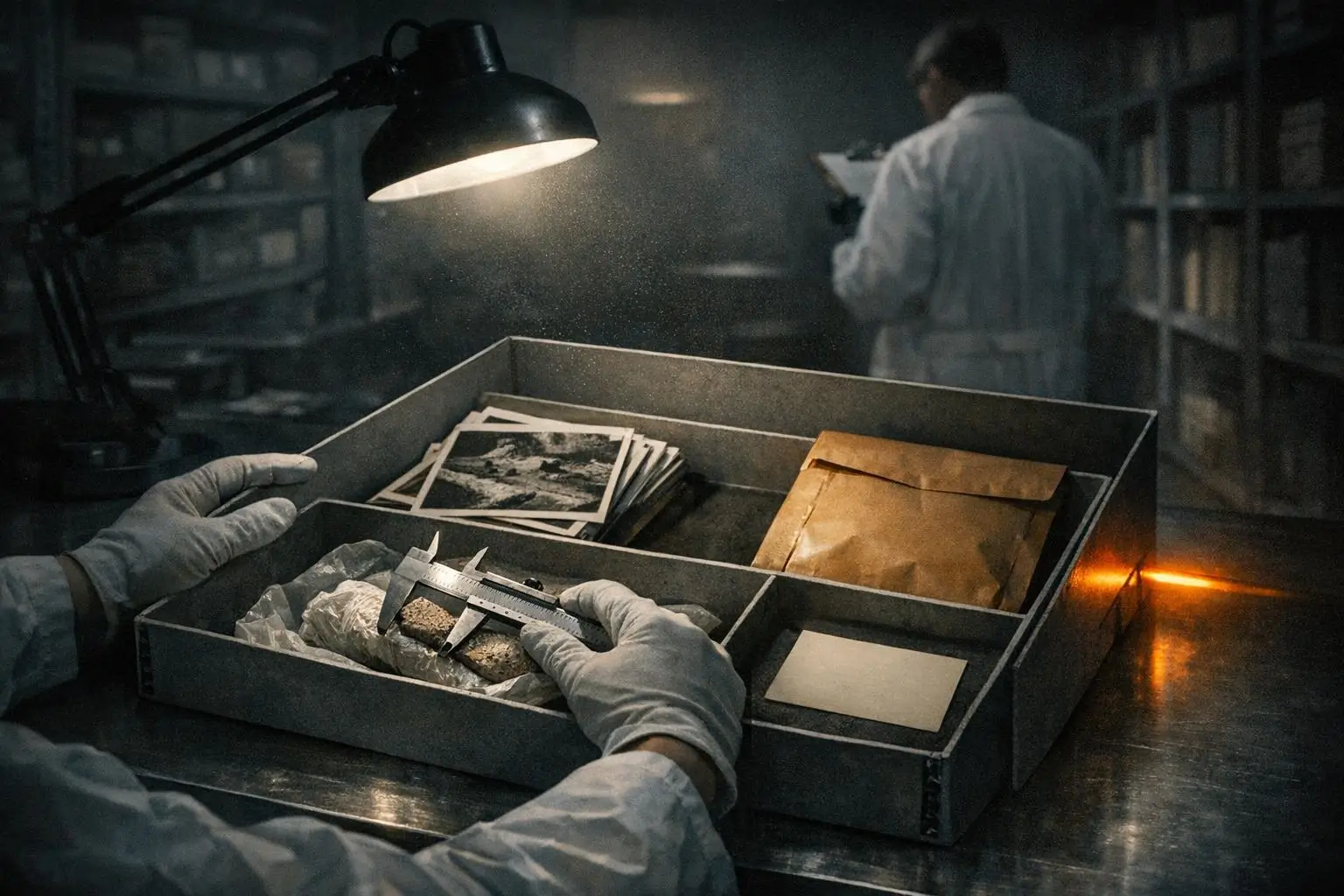
Smithsonian Giants Cover-Up: The Limits of the Institutional Record
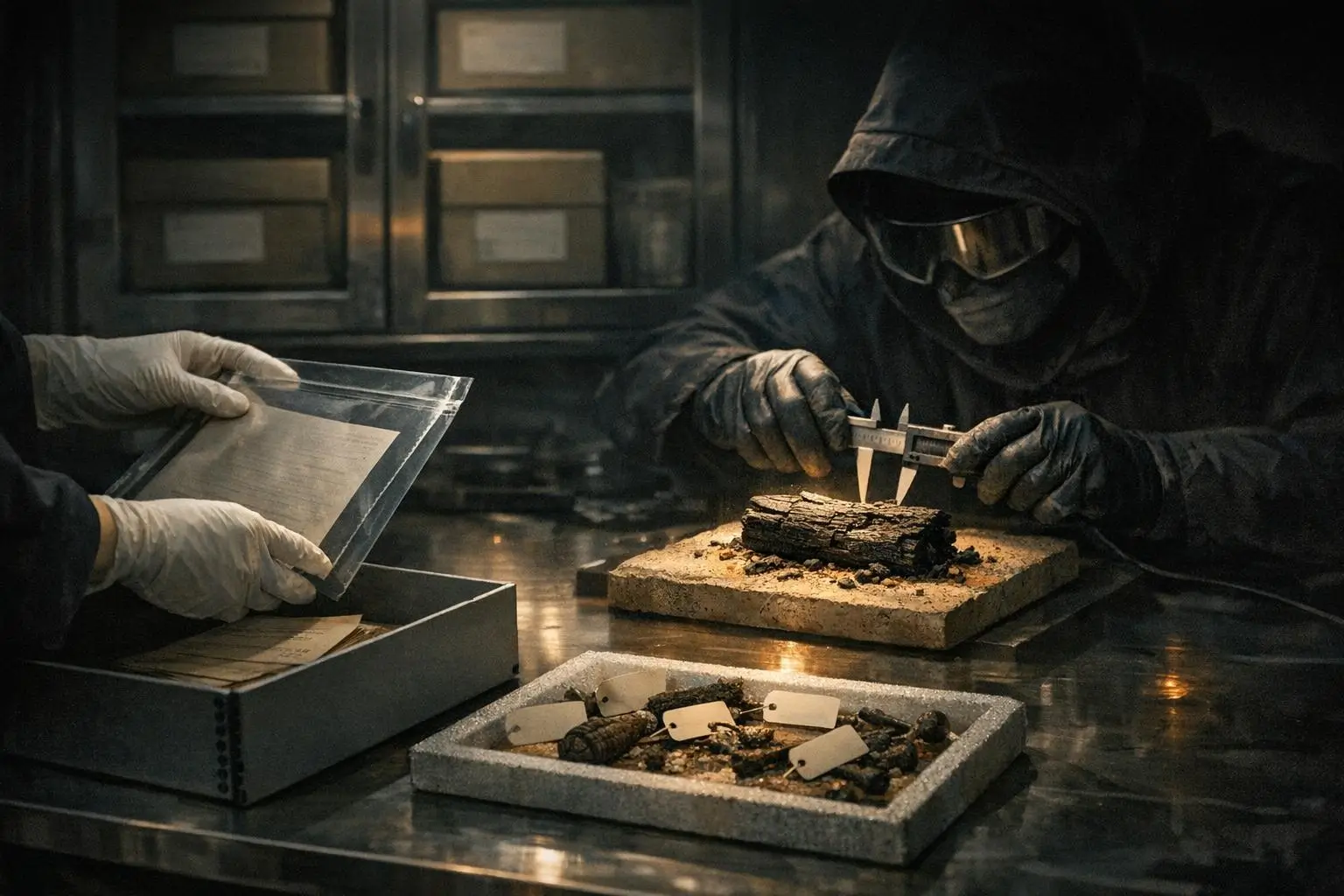
Columbus Discovery Cover-Up: What the Archives Can Certify
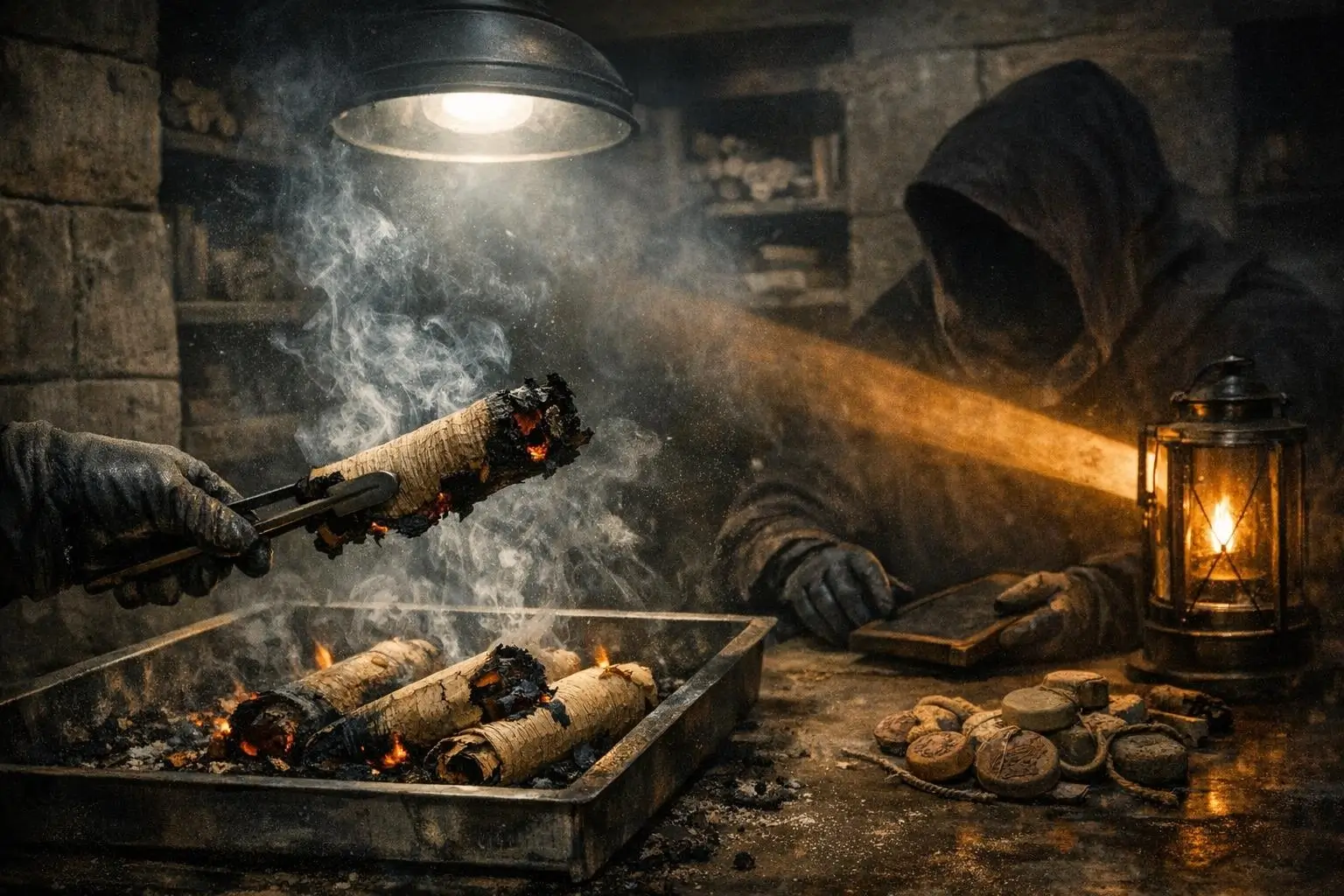
Library of Alexandria Burning: What the Records Can Certify
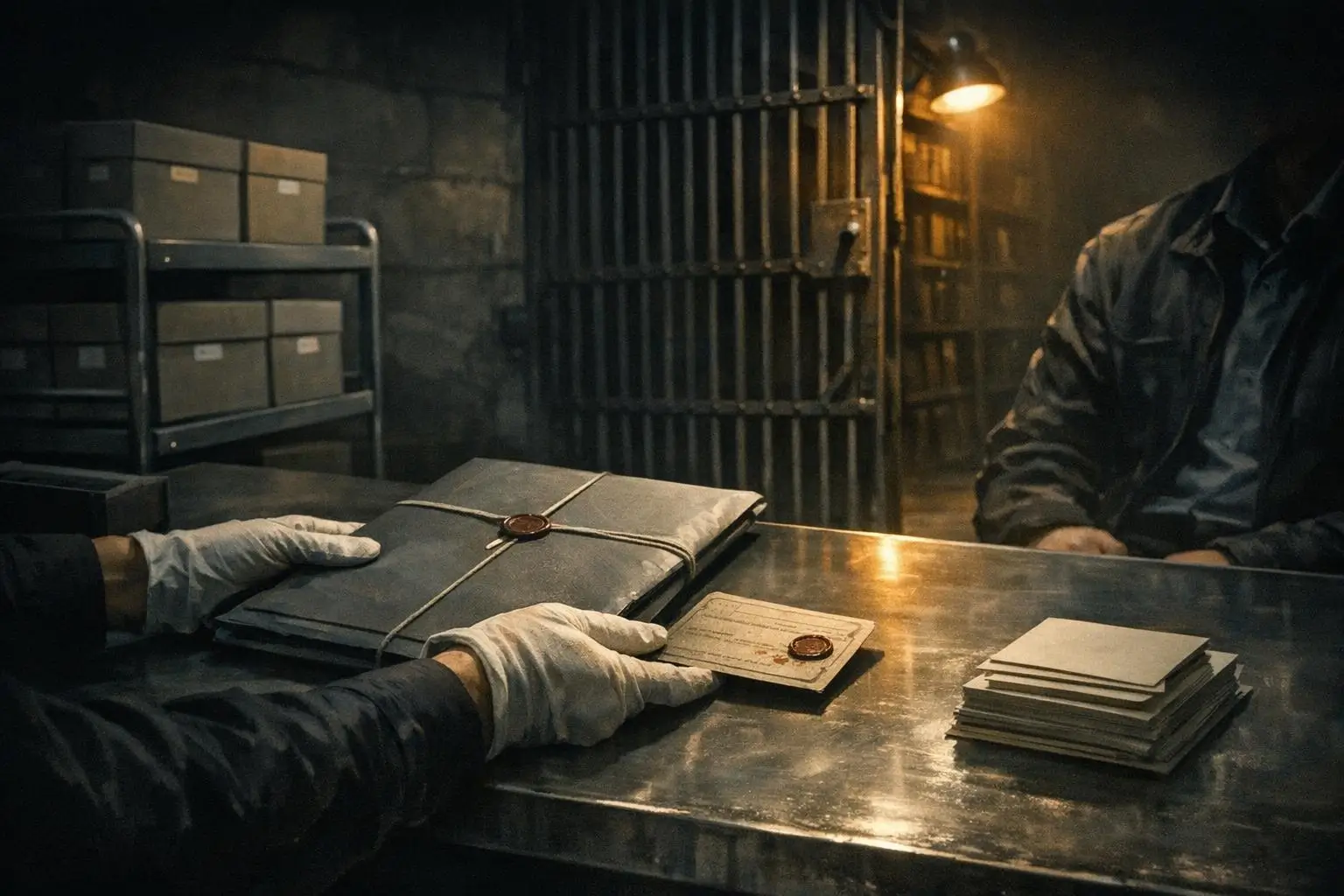
Vatican Secret Archives: Between Access and Unresolved Gaps
A Living Archive
This project is never complete. History is a fluid signal, often distorted by those who record it. We are constantly updating these files as new information is declassified or discovered.