:: SUB-ARCHIVE ::
Ancient Civilizations: The Records Beneath the Official Past
Foundational myths, collapsed cities, disputed dates. We trace what the record can prove—tablets, ruins, censuses, trade routes—and where the archive breaks, leaving entire centuries half-explained.
Scope of Inquiry
STATUS: Active
What This Sub-Archive Tracks
This sub-archive maps early civilizations through what the record can actually anchor: inscriptions, administrative lists, construction layers, trade evidence, and dated destruction horizons. We track how “origin stories” harden into textbooks, how timelines get rebuilt after collapses, and how entire cultures become footnotes when the archive thins out. The focus is not legend. It’s the chain of custody of the past—what survives, what gets reinterpreted, and what remains unresolved because the evidence stops mid-sentence.
Classification Categories
Founding Mechanisms
How states formed: taxation, writing systems, labor control, and the first durable bureaucracies.
Collapse Signatures
When systems fail: climate stress, war, trade breaks, internal revolt—what the layers and records imply.
Chronology Disputes
Competing dates, missing reigns, contested identifications—where the timeline depends on interpretation.
Reading Protocol
How to Read the Oldest Layers
- Start with anchors: inscriptions, king lists, dated strata, or securely identified sites—then build outward.
- Separate evidence from interpretation: what the object says vs. what later narratives claim it means.
- Watch for gaps: missing decades, silent archives, abrupt resets—those absences often shape the “official” story most.
The earliest past is not “mysterious.” It’s under-documented. And that difference changes how you read every claim.
Case Files
STATUS: Active
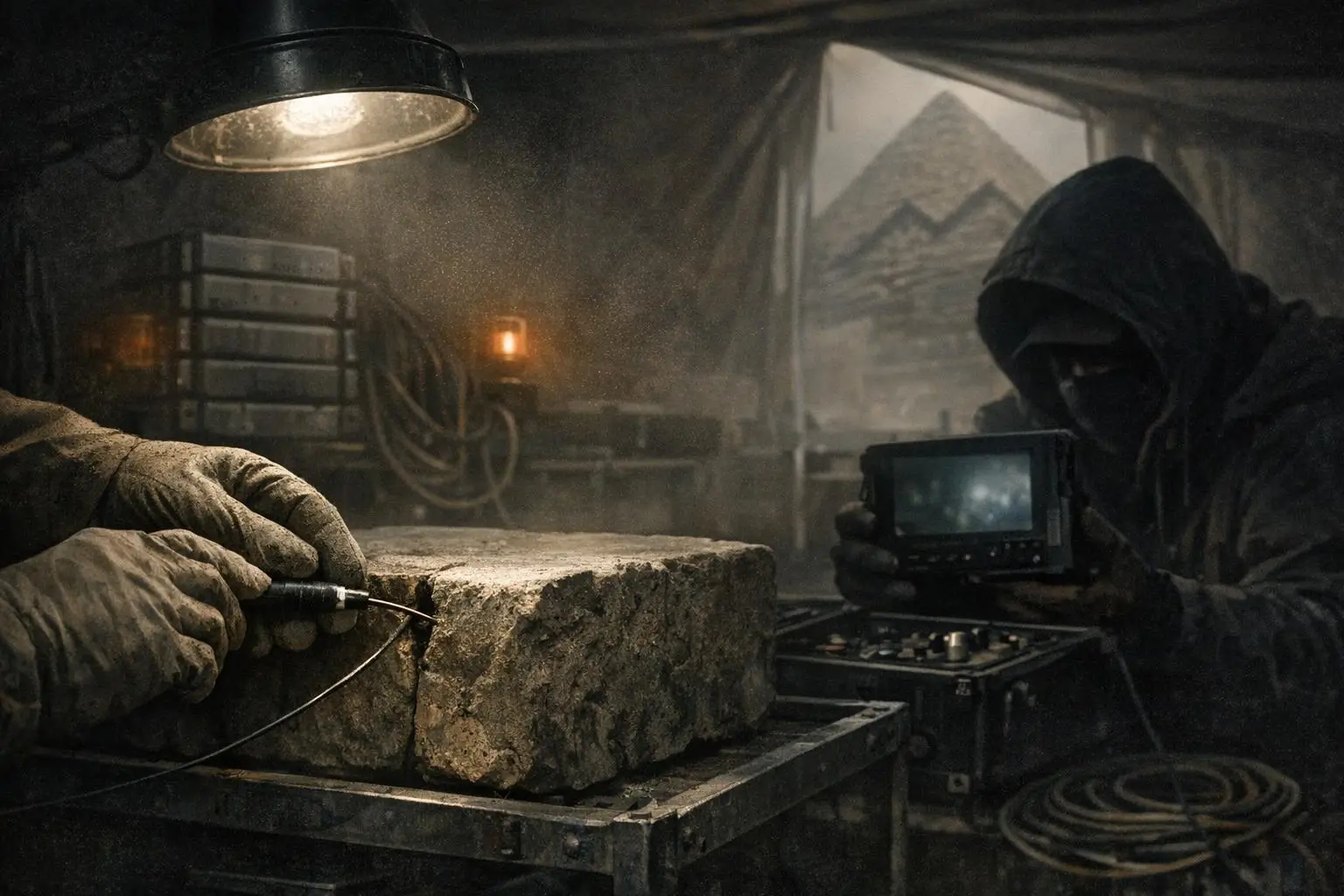
Ancient Egyptian Secrets: What the Data Shows—and Where It Stops
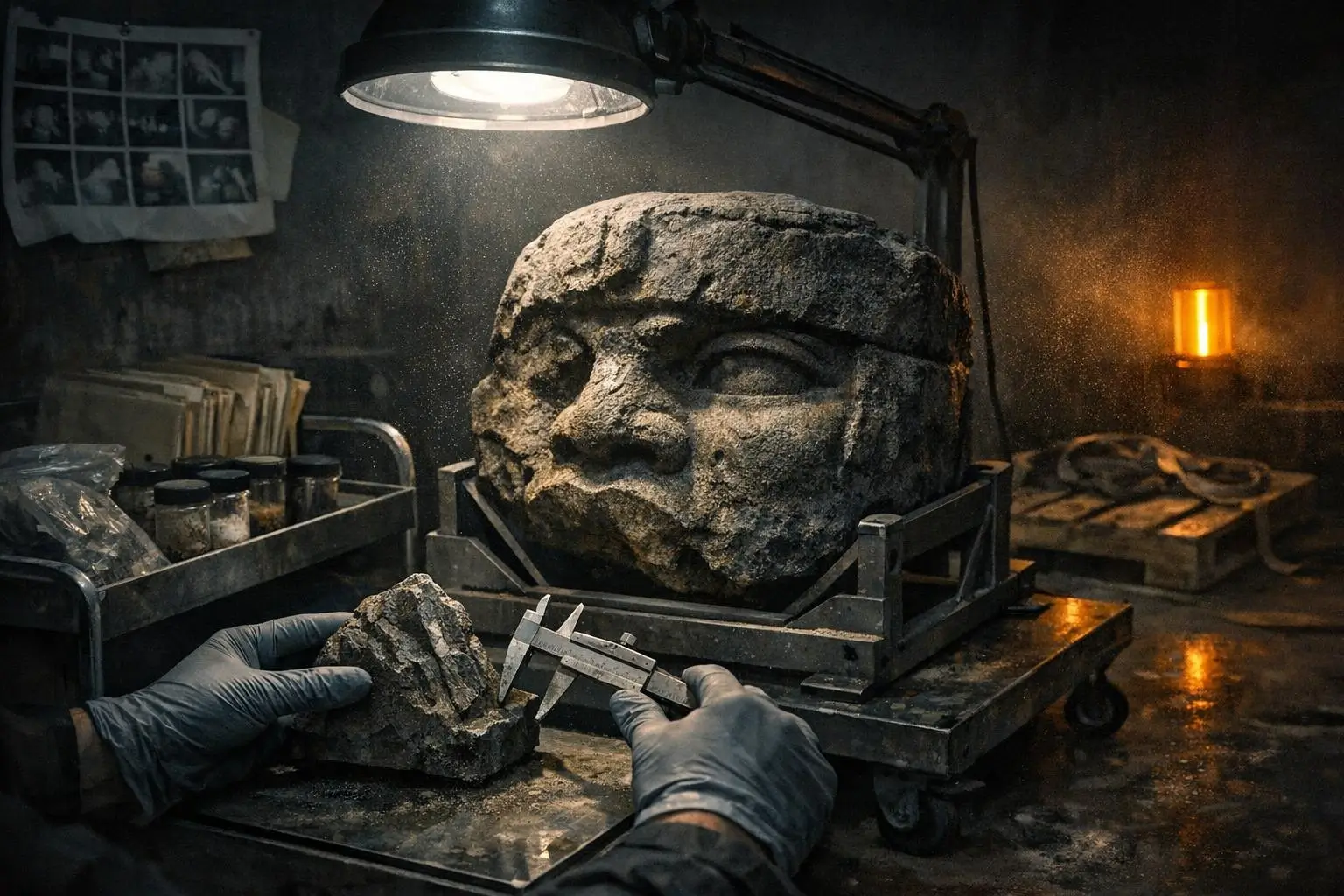
Olmec Civilization Mysteries: The 16 Heads and the Evidence Gap
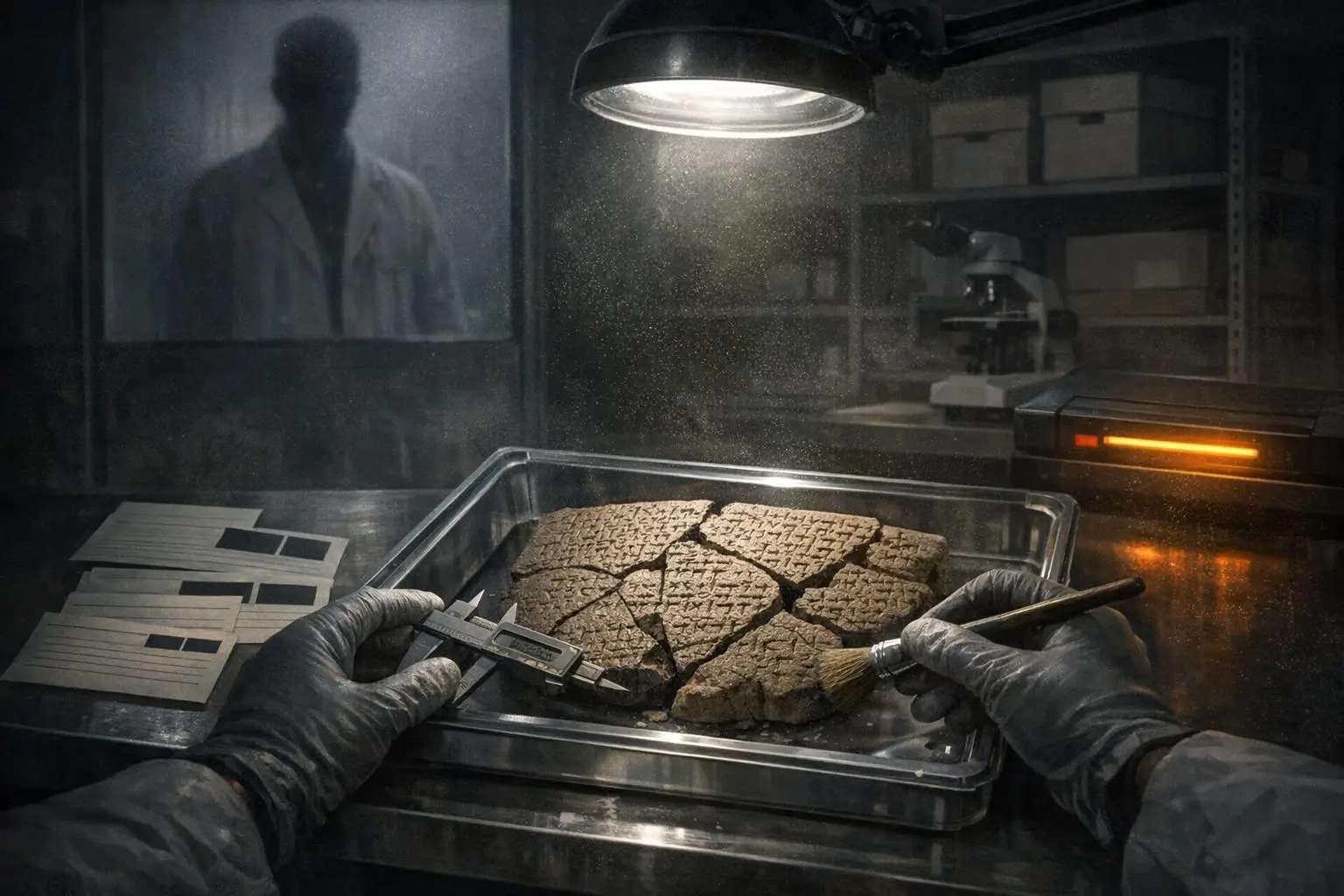
World’s Oldest Language: Between Record and Reconstruction
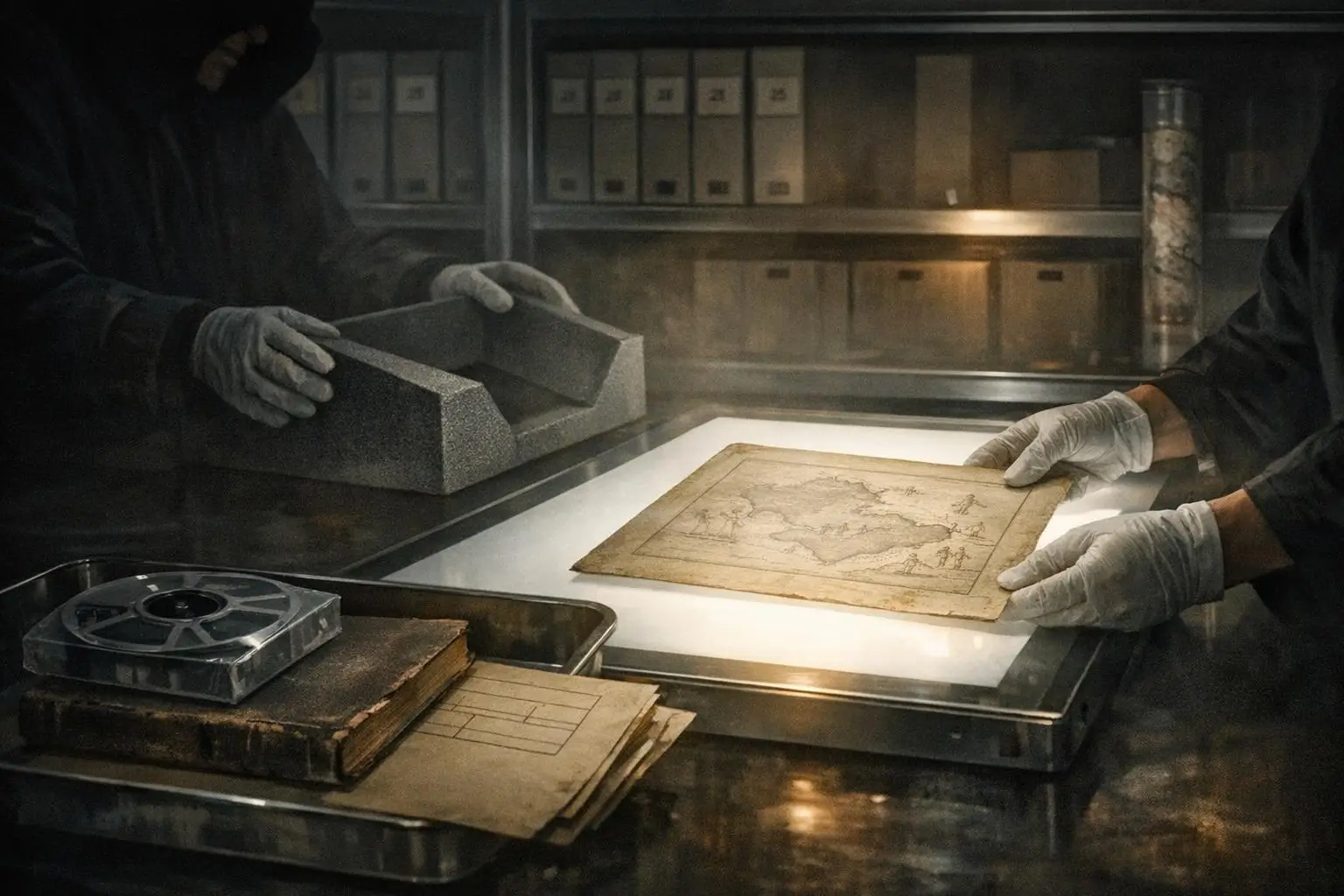
Lemuria Continent: What the Records Show—and Where They Stop
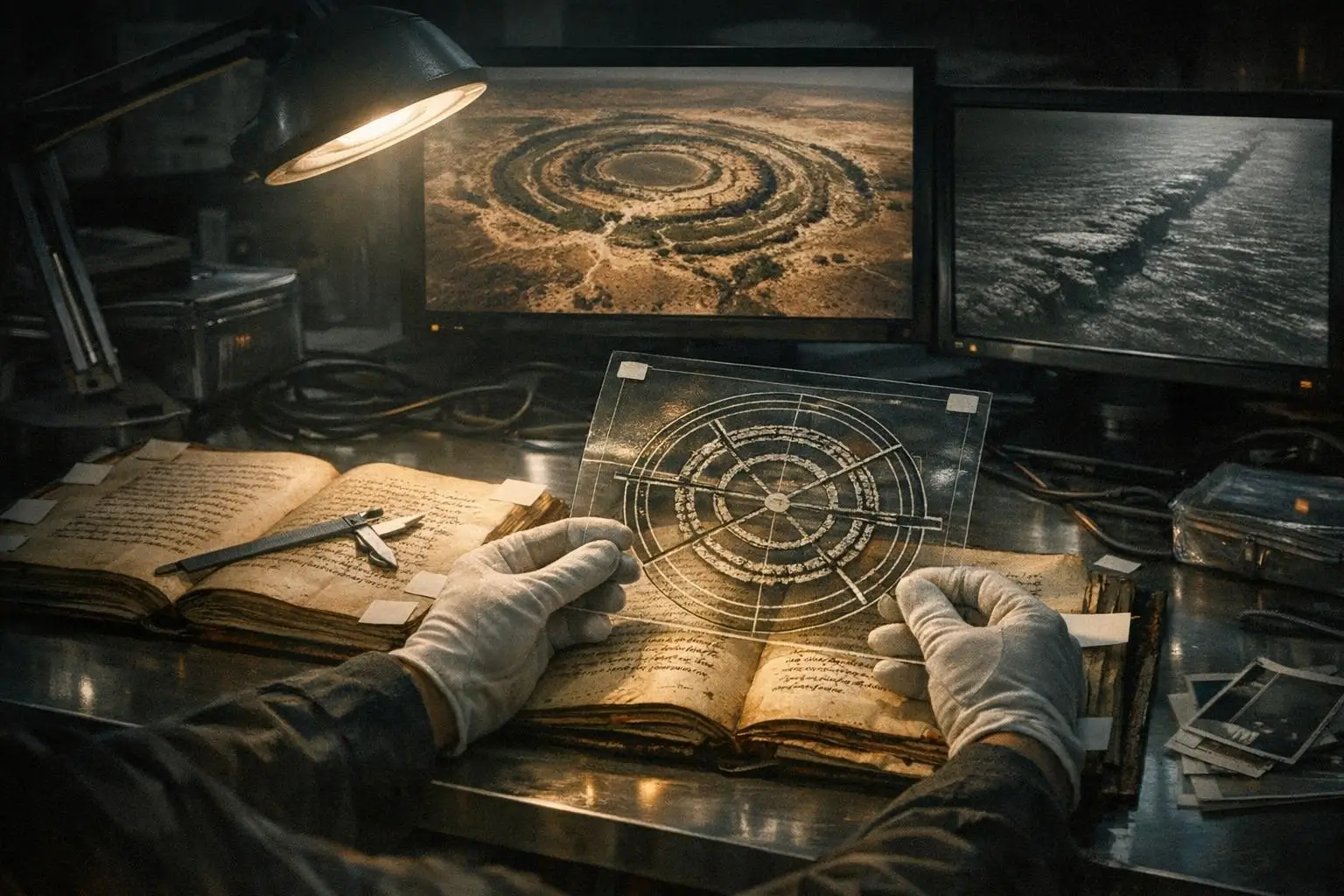
Lost City of Atlantis: From Plato’s Text to Unresolved Gaps
A Living Archive
This project is never complete. History is a fluid signal, often distorted by those who record it. We are constantly updating these files as new information is declassified or discovered.