:: SUB-ARCHIVE ::
Alternative Timelines: The Histories That Almost Replaced Ours
Reforms erased, empires rerouted, borders redrawn on a desk. We track the documented forks—treaties, coups, missing dispatches—and the narratives that nearly became official history.
Scope of Inquiry
STATUS: Active
What This Sub-Archive Tracks
This sub-archive catalogs documented forks—moments when a different version of history nearly became the one we live in. We follow treaties that almost held, coups that almost worked, reforms that almost survived, and decisions made behind closed doors that redirected entire regions. The goal isn’t fantasy “what-ifs.” It’s to map the paper trail of near-outcomes: drafts, memos, dispatches, minutes, and the quiet mechanisms that decided which timeline got to publish itself.
Classification Categories
Treaty Forks
Drafts, clauses, and negotiations that would have redrawn borders—or prevented wars.
Coup Scripts
Plans, backing, and timing failures—how a regime almost changed hands overnight.
Erased Reforms
Policies that almost passed—then got diluted, delayed, or buried in committee.
Reading Protocol
How to Read These Forks
- Anchor the fork to a dated record: drafts, minutes, cables, votes, or signed terms—then compare revisions.
- Follow the “kill switch”: who gained delay authority, who changed the language, who controlled the release.
- Track downstream echoes: propaganda, textbook edits, and official narratives that try to erase the near-miss.
History isn’t just what happened. It’s what survived—and what got archived, censored, or forgotten long enough to stop being politically useful.
Case Files
STATUS: Active
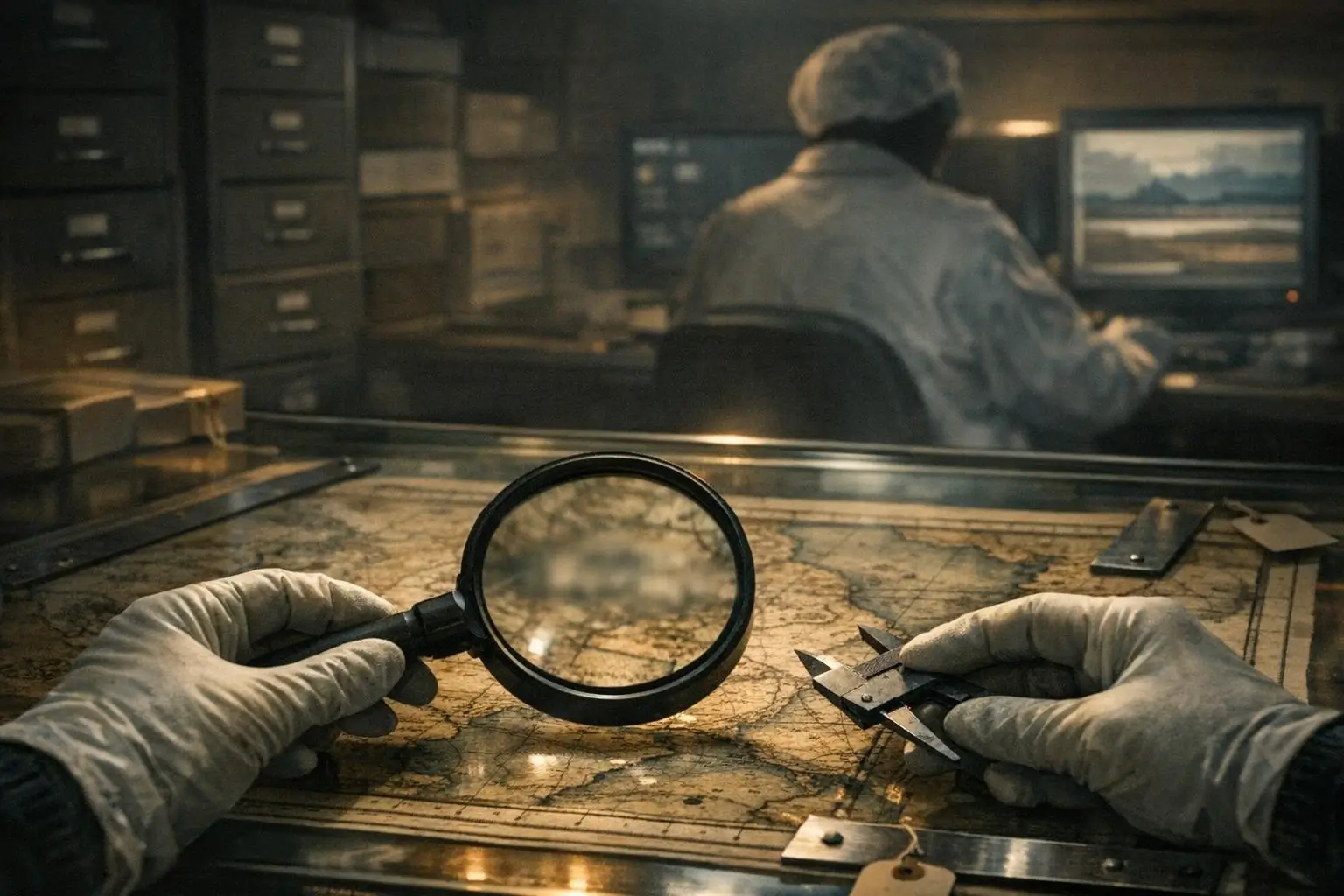
Alternate History Evidence: Between Map Labels and Silence
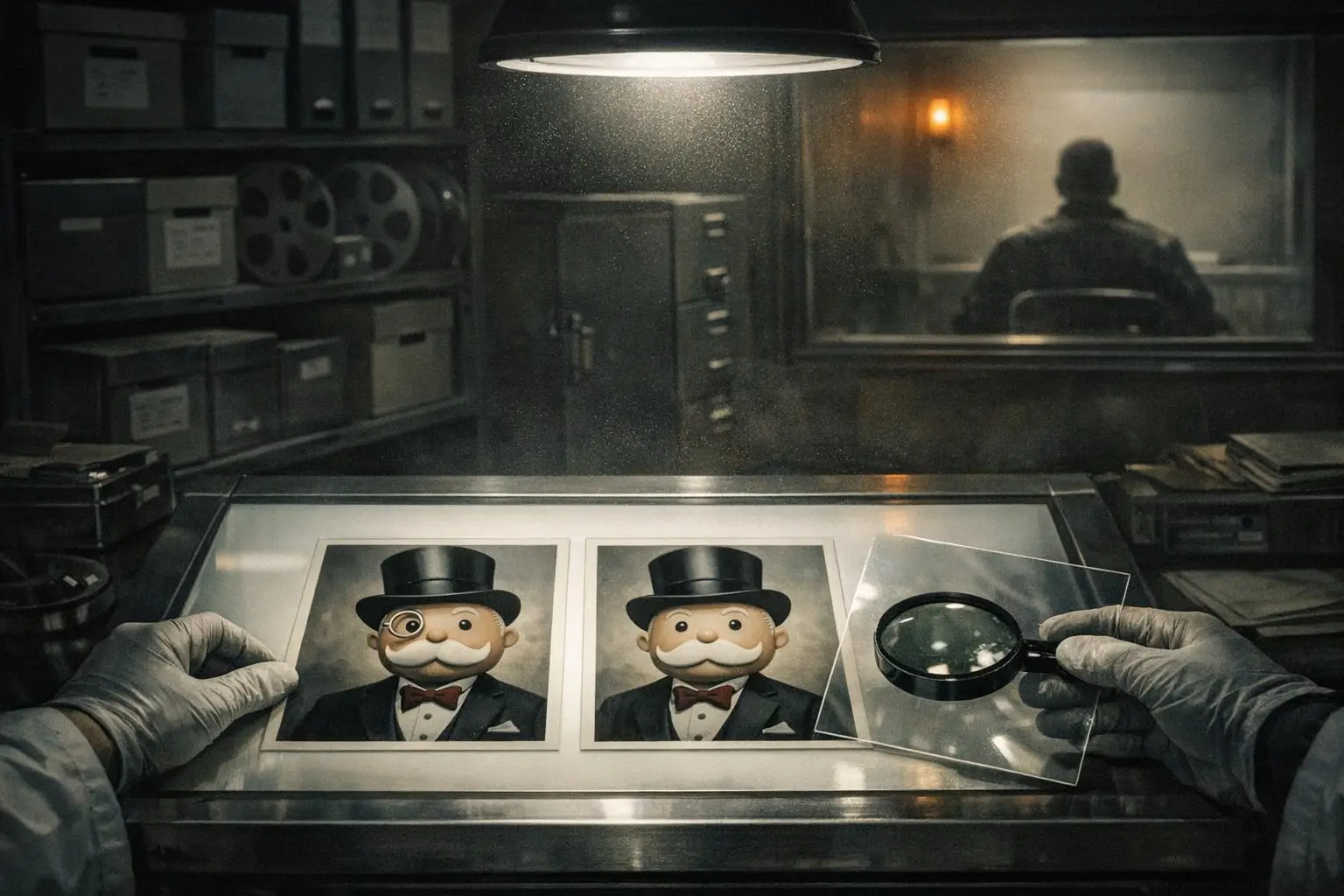
Mandela Effect Examples: What the Record Shows—and Where It Stops
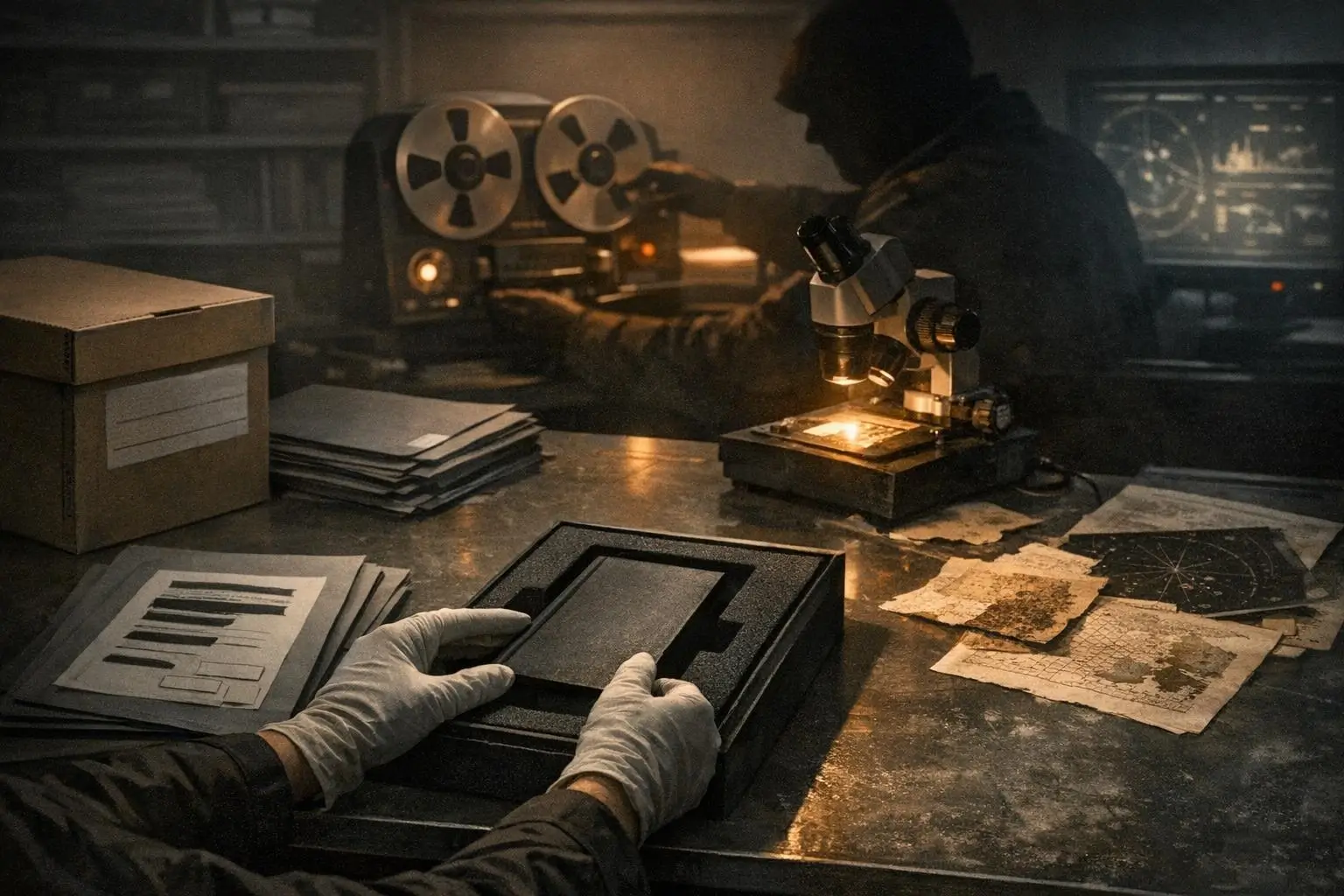
Velikovsky Theory: What the Records Show—and Where They Stop
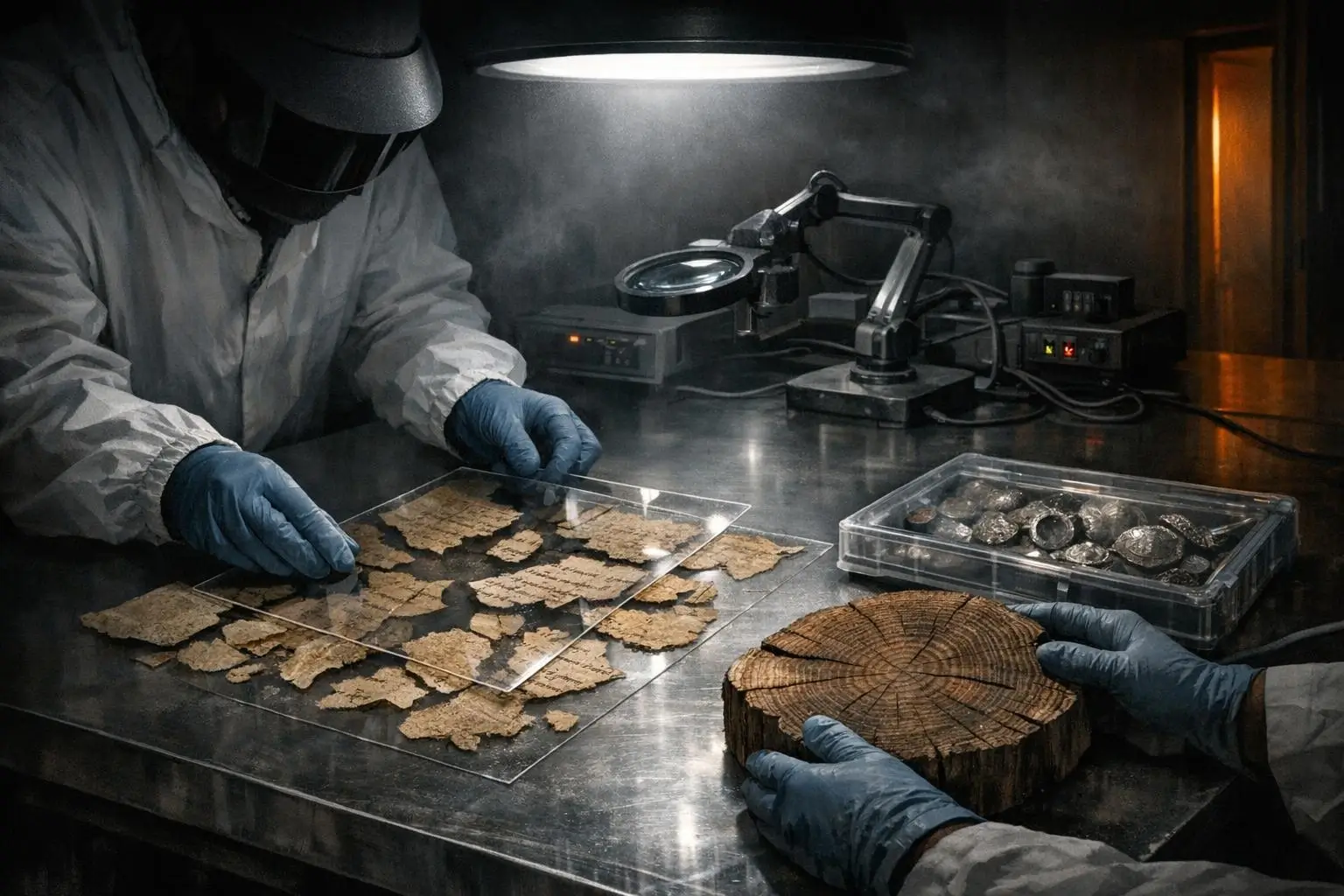
Phantom Time Hypothesis: From Calendar Rules to Documentary Gaps
A Living Archive
This project is never complete. History is a fluid signal, often distorted by those who record it. We are constantly updating these files as new information is declassified or discovered.